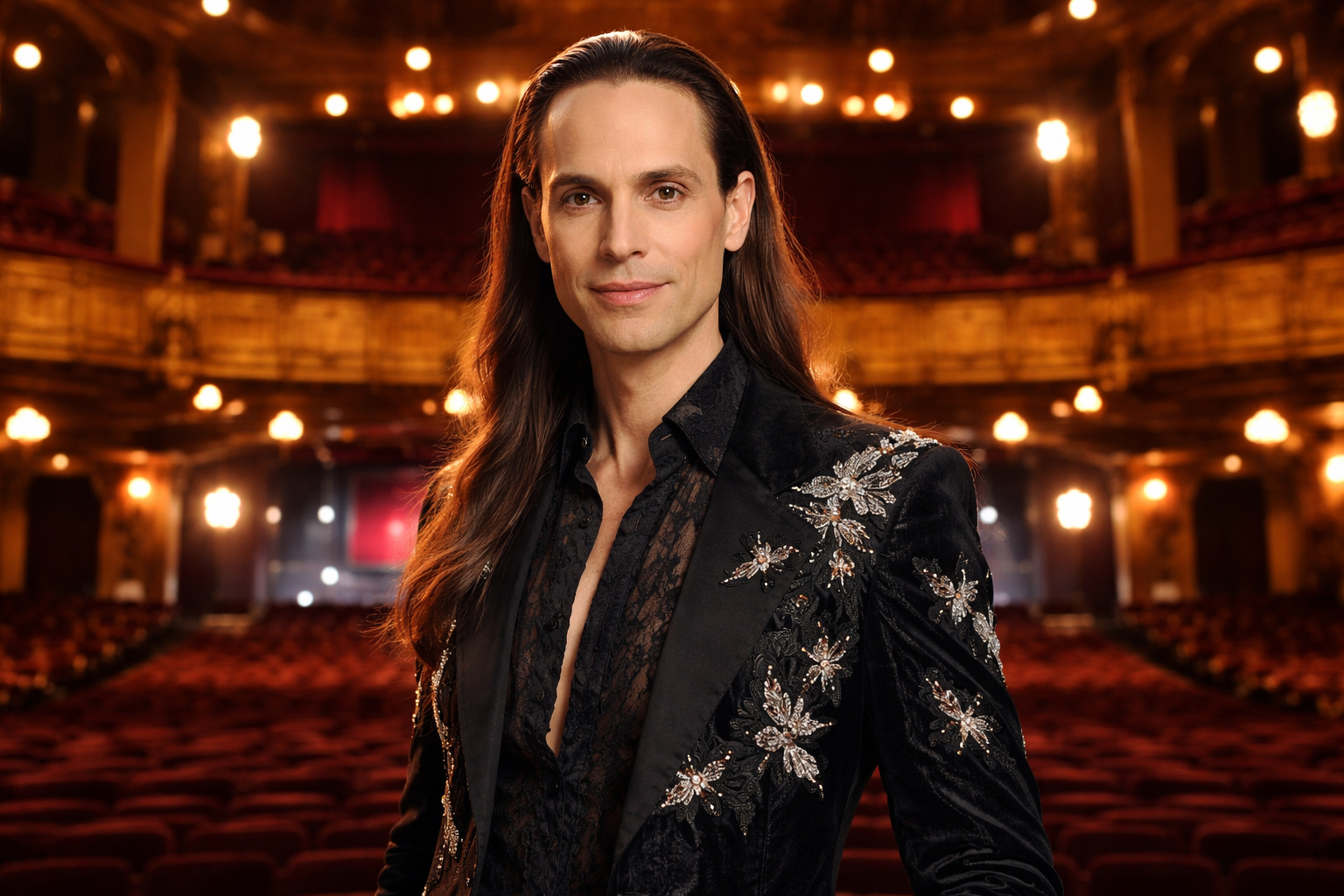
In the world of Broadway, success is rarely accidental. It is built through vision, patience, calculated risk, and a deep understanding of how creativity and commerce intersect. Few individuals embody this balance as completely as Jordan Roth. Widely recognized for his bold personal style and progressive leadership, Roth has quietly built one of the most influential financial and cultural footprints in modern American theater.
His story is not one of overnight success, inherited power, or celebrity-driven fortune. Instead, it reflects a disciplined ascent shaped by education, strategic ownership, artistic courage, and long-term thinking. Understanding Jordan Roth net worth requires looking beyond headline figures and examining the systems, assets, and philosophies that made his wealth possible.
This article presents a comprehensive look at his life, career, financial standing, and lasting influence—without hype, shortcuts, or surface-level storytelling.
Early Life and the Roots of Creative Discipline
Jordan Roth was born in New York City, a place where ambition and imagination coexist daily. Growing up in an intellectually stimulating environment, he was exposed early to literature, performance, and ideas that challenged convention. This environment did more than spark creative interest—it fostered discipline and curiosity.
Unlike many future theater leaders who begin as performers, Roth gravitated toward structure and strategy from an early age. He was fascinated not only by what appeared on stage, but by how productions were financed, marketed, and sustained. That curiosity shaped his academic path and later became a defining advantage in his professional life.
He attended Columbia University, where he studied theater while immersing himself in critical theory and production management. The combination allowed him to analyze art through both emotional and logistical lenses. By the time he graduated, Roth understood that sustainable creative success depends as much on financial architecture as it does on artistic merit.
Entering Broadway Through Strategy, Not Stardom
Breaking into Broadway is one of the most competitive challenges in the entertainment industry. Capital requirements are high, reputations take years to build, and failure is both common and expensive. Roth approached this environment methodically.
Rather than chasing visibility, he focused on understanding the business from the inside. Early in his career, he worked in theatrical management and production, learning how deals were structured and how investors evaluated risk. He paid close attention to the economics of touring productions, subsidiary rights, and long-running shows.
This behind-the-scenes education allowed him to recognize opportunities others overlooked. He learned that Broadway success was rarely about a single hit, but about portfolios of projects that balanced risk and reward. This perspective guided his decisions long before his name carried weight, and it laid the groundwork for his later financial success.
The Financial Power of Theater Ownership
A defining moment in Roth’s career came through his leadership role at Jujamcyn Theaters, one of the most prominent theater-owning organizations on Broadway. Eventually becoming president and artistic director, Roth found himself in a position few producers ever reach: control over physical venues in the heart of Times Square.
This shift from producer to owner fundamentally altered his financial trajectory. Producing shows generates income, but owning theaters creates stability, leverage, and long-term appreciation. Theater ownership provides consistent revenue streams through rentals, premium productions, touring transfers, and special events.
Under Roth’s leadership, Jujamcyn theaters became known for hosting productions that combined commercial viability with cultural relevance. This reputation attracted high-caliber creative teams and reliable investor interest. From a business perspective, it reduced risk while increasing long-term returns.
Real estate assets in Manhattan carry intrinsic value that extends far beyond theatrical cycles. As a result, ownership became one of the strongest pillars supporting Jordan Roth net worth.
Productions That Generated Long-Term Revenue
While ownership created stability, productions created growth. Roth was involved in numerous Broadway successes that achieved both critical acclaim and financial profitability. These productions generated income across multiple layers of the entertainment economy.
Ticket sales were only the beginning. Successful shows expanded into national tours, international productions, licensing agreements, cast recordings, and adaptations. Each extension multiplied revenue while strengthening brand recognition. Roth understood that the true value of a show often emerges after its initial Broadway run.
Equally important was his ability to select stories with lasting relevance. Rather than chasing trends, he invested in works that resonated emotionally and socially. These productions often enjoyed longer lifespans and deeper audience loyalty, translating into sustained financial performance.
Over time, these recurring income streams became a reliable component of his overall financial standing, reinforcing the durability of Jordan Roth net worth.
Understanding Jordan Roth Net Worth
Estimating the wealth of a private individual with diverse holdings is inherently complex. However, industry observers consistently place Jordan Roth net worth in the range of tens of millions of dollars, with higher valuations possible when accounting for real estate interests and long-term royalty agreements.
His financial profile is diversified rather than dependent on a single revenue source. It includes:
-
Equity in theater real estate
-
Income from Broadway and touring productions
-
Long-term royalties from licensed works
-
Advisory and leadership roles within cultural institutions
This diversification offers protection against market volatility. When individual productions fluctuate, ownership and royalties provide stability. This structure explains why his financial position has remained strong across economic cycles that challenged the broader entertainment industry.
Leadership Style and Business Reputation
Roth’s leadership style stands out in an industry historically shaped by rigid hierarchies. He leads with openness, intellectual rigor, and a willingness to challenge outdated norms. This approach has earned him respect across creative and financial communities alike.
His public presence—marked by expressive fashion and articulate advocacy—is not performative branding. It reflects a coherent leadership identity rooted in authenticity. This authenticity builds trust, which is a valuable business asset. Investors are more willing to commit capital when leadership demonstrates clarity, conviction, and consistency.
Trust also attracts talent. Directors, writers, and performers often seek collaborators who respect creative risk while understanding commercial realities. Roth’s reputation for balancing these priorities has allowed him to assemble teams capable of delivering both artistic excellence and financial returns.
Cultural Influence as an Economic Asset
Influence is difficult to quantify, but it plays a critical role in long-term financial success. Roth’s impact on Broadway extends beyond individual projects. He helped normalize inclusivity, challenge traditional leadership aesthetics, and broaden the kinds of stories presented on major stages.
This cultural relevance enhances economic value. Productions aligned with contemporary conversations tend to attract diverse audiences and maintain relevance longer. Institutions associated with progressive leadership often gain stronger brand loyalty and public goodwill.
By aligning his business decisions with cultural momentum, Roth ensured that his financial growth remained connected to broader societal shifts. This alignment continues to strengthen the foundation of Jordan Roth net worth.
Personal Philosophy and Wealth Stewardship
Despite his success, Roth is not known for extravagant displays of wealth. His lifestyle reflects intentionality rather than excess. He views money as a tool for sustaining creative ecosystems rather than as a symbol of personal status.
This philosophy influences how he allocates resources. He reinvests in theater, education, and cultural initiatives that nurture future talent. These investments serve both ethical and strategic purposes. Supporting the next generation strengthens the industry that underpins his financial success.
By prioritizing reinvestment over consumption, Roth demonstrates a long-term approach to wealth management that aligns with his broader values.
Enduring Impact and Future Outlook
Jordan Roth’s influence will likely extend well beyond his most visible roles. The institutions he shaped, the leaders he mentored, and the business models he championed continue to generate value independently of his day-to-day involvement.
As theater adapts to new technologies and global audiences, the infrastructure Roth helped build remains positioned for relevance. Ownership stakes, intellectual property rights, and institutional partnerships provide enduring economic leverage.
His career illustrates that financial success in the arts does not require compromise. It requires clarity, patience, and a commitment to aligning values with strategy.
Conclusion
Jordan Roth net worth represents far more than accumulated earnings. It reflects decades of disciplined decision-making, strategic ownership, and an unwavering belief that art and business can reinforce one another. His wealth grew not through spectacle, but through systems designed to last.
By investing in infrastructure, championing meaningful stories, and leading with authenticity, Roth built a financial legacy rooted in purpose and sustainability. His story offers a compelling model for success in any creative industry—one where impact and profitability are not competing goals, but complementary outcomes.
Read also: Noah Thompson Net Worth, Biography, and Career Growth