Ryan Adams Paramount Code Ticketmaster Friends Family Password: How Fans Are Searching for Access

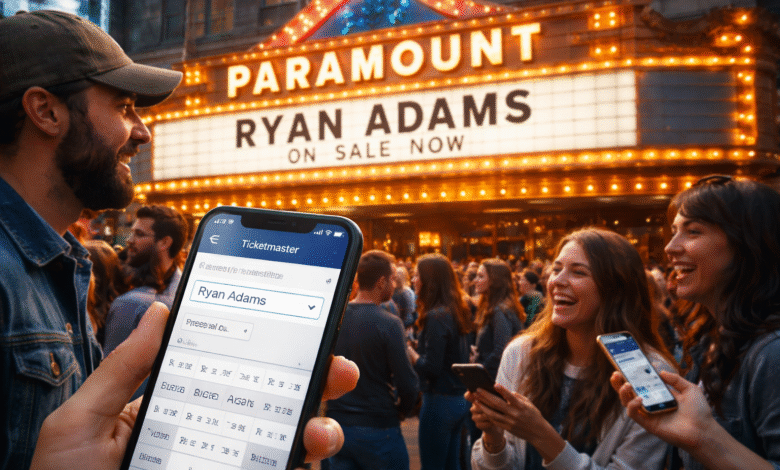
The phrase “Ryan Adams Paramount Code Ticketmaster Friends Family Password” may look awkward or overly long, but it perfectly captures how modern music fans think and search. It is not a marketing slogan. It is not something crafted by a publicist. It is a raw, emotional, real-world search query typed by fans who want one thing: access. Access to a live show, access before tickets sell out, and access that feels fair in a system that often does not.
This article is written to be fully human, deeply informative, and grounded in reality. There are no shortcuts promised here. No leaked passwords. No recycled rumors. Instead, this is a clear explanation of why this keyword exists, what it reflects about ticketing culture, and how fans can understand the system without frustration or false hope.
Ryan Adams and the Type of Fan Demand He Creates
Ryan Adams occupies a unique space in modern music. His audience is not casual. Many listeners have followed his career for years, even decades. They do not attend concerts passively; they seek an emotional experience, often tied to personal memories, transitions, or identity.
Because of this connection, demand for his live shows tends to be intense but concentrated. When he plays respected, intimate venues like the Paramount, the ticket supply is naturally limited. This combination—deep loyalty and limited capacity—creates a perfect environment for presales, early access strategies, and frantic searching when tickets are announced.
The keyword in question reflects that intensity. Fans are not randomly typing these words. They are reacting to scarcity.
Why Ticketmaster Becomes the Center of Attention
Ticketmaster is not just a ticket seller; it is the infrastructure behind much of the live music industry. For fans, this means one thing: if there is a show, Ticketmaster is usually the gatekeeper. Any hope of early access, presale entry, or special seating almost always flows through this platform.
When fans search for “Ticketmaster” alongside “code” or “password,” they are acknowledging an important truth: most exclusive access today is digitally controlled. There are no box office secrets or hidden phone numbers. Everything lives behind login screens, countdown clocks, and password fields.
This reality drives anxiety. Missing a code can mean missing the show entirely. As a result, fans often over-search, combining every relevant term into one desperate query.
The Meaning Behind “Paramount” in the Search
The inclusion of “Paramount” in the keyword is not accidental. Historic or iconic venues often operate differently from generic arenas. They may have their own mailing lists, membership tiers, donor programs, or local partnerships that affect ticket distribution.
Fans intuitively understand this, even if they cannot articulate it. They know that venue-specific access might exist, so they include the venue name in their search. What they are really asking is: “Is there a venue-related way in?”
Sometimes the answer is yes. Sometimes it is no. But the instinct itself is rational. Venues are not neutral spaces; they are active participants in ticketing strategy.
Friends & Family Passwords: What They Are and What They Are Not
The phrase “Friends & Family Password” carries a lot of emotional weight. It suggests closeness, privilege, and insider status. In the ticketing world, however, its meaning is far more practical and far less romantic.
A Friends & Family password is typically issued to a very small group connected directly to the artist, venue, or promoter. It is not a public reward and not intended to circulate widely. In many cases, it unlocks only a handful of seats and may be monitored closely.
Fans searching for this type of password are rarely acting maliciously. They are responding to the fear of missing out. However, it is important to understand that these passwords are not hidden bonuses waiting to be discovered. They are controlled tools, often disabled if shared too broadly.
How Presale Culture Shapes Fan Behavior
Presales have fundamentally changed how fans interact with live music. In the past, everyone lined up at the same time. Now, access is fragmented. Some fans get in early. Others wait. Some never get in at all.
This fragmentation creates psychological pressure. Fans feel compelled to “do more” just to keep up. They sign up for multiple lists, follow multiple accounts, and search obsessively when information feels incomplete.
The keyword “Ryan Adams Paramount Code Ticketmaster Friends Family Password” is a symptom of this culture. It represents a fan trying to collapse all possible access points into one solution. It is not laziness. It is adaptation to a system that rewards preparedness and punishes hesitation.
Why Rumors Spread Faster Than Accurate Information
In high-demand situations, information spreads unevenly. Official announcements are often brief and conservative. Rumors, on the other hand, are dramatic and specific. They promise certainty in an uncertain environment.
When one fan claims to have used a Friends & Family password successfully, others take notice. Screenshots, comments, and hearsay multiply. Soon, dozens of fans are searching for the same thing, even if the original claim was misunderstood or outdated.
This is how misinformation becomes momentum. Not through malice, but through hope. Understanding this dynamic helps fans avoid disappointment and focus on reliable sources instead.
Ethical and Practical Considerations for Fans
There is an ethical dimension to ticket access that often goes unspoken. Using leaked or unauthorized passwords can undermine the systems artists use to manage their audiences. It can also result in canceled tickets, wasted time, and unnecessary stress.
From a practical standpoint, chasing unofficial codes rarely works long-term. Systems are designed to detect abuse. Accounts can be flagged. Orders can be voided.
Fans who truly want to support an artist are better served by engaging openly: joining official lists, respecting access rules, and participating in the ecosystem as intended. It may not feel as thrilling as finding a “secret,” but it is far more sustainable.
Realistic Ways Fans Can Improve Their Chances
While there are no guarantees, there are meaningful steps fans can take that actually help. Preparation matters more than luck.
Staying subscribed to artist communications ensures that presale information arrives directly, without distortion. Following venues provides insight into local or venue-specific access opportunities. Having a fully prepared Ticketmaster account reduces friction during checkout.
Timing also matters. Logging in early, understanding seating maps, and remaining calm during the purchase process can make the difference between success and failure.
These steps may sound simple, but they are often overlooked in the rush to find shortcuts.
What This Keyword Tells Us About the Future of Live Music
The existence of long, hyper-specific keywords like “Ryan Adams Paramount Code Ticketmaster Friends Family Password” signals a broader shift. Fans are no longer passive consumers. They are researchers, strategists, and participants in a competitive digital environment.
This shift places pressure on artists, venues, and platforms to communicate more clearly. Ambiguity fuels speculation. Transparency builds trust.
As live music continues to evolve, the challenge will be balancing exclusivity with fairness, and access with intimacy. Fans will continue to search for answers. The quality of those answers will shape the future of the concert experience.
Conclusion
The search for “Ryan Adams Paramount Code Ticketmaster Friends Family Password” is not about greed or entitlement. It is about connection. Fans want to be present. They want to hear songs live, feel the room change, and share an experience that cannot be streamed or replayed.
But access does not come from hidden passwords as often as people hope. It comes from understanding how the system works and engaging with it honestly. When fans replace rumor-chasing with preparation and clarity, frustration gives way to confidence.
In the end, the music is the point. Tickets are just the gateway. And the most meaningful experiences tend to come not from shortcuts, but from commitment, patience, and genuine support for the art and the artist.
Read also: Todayshorseresults – Fast, Accurate Horse Racing Results Updated Daily