18778708046: Who Is Calling You? A Deep, Human-Centered Look at an Unknown Number

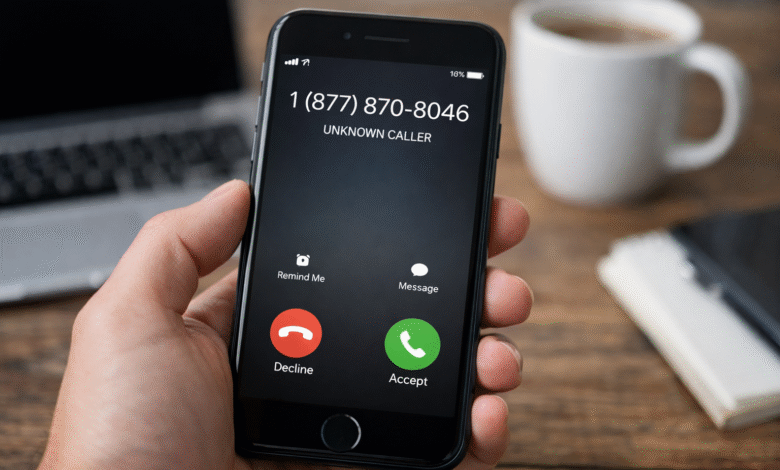
A single missed call can spark a surprising amount of thought. When 18778708046 appears on your phone, it doesn’t feel like just a string of digits—it feels like a question demanding an answer. In a time when phone calls can mean anything from an urgent family matter to a sophisticated scam attempt, it’s natural to hesitate. Many people no longer answer unknown numbers instinctively. Instead, they pause, screenshot the call, and search online, hoping to find clarity before reacting.
This article is written with that exact moment in mind. No rushed assumptions, no recycled explanations—just a calm, detailed, and authentic exploration of what a call from 18778708046 could mean. Without relying on search engines or external databases, we’ll walk through how to think about unknown numbers, why calls like this happen, and how you can protect your peace of mind while staying informed.
Understanding the Emotional Impact of an Unknown Call
An unexpected call doesn’t just interrupt your day; it interrupts your sense of control. The phone rings, your screen lights up, and suddenly your mind races. Is this important? Did I miss something? Should I answer? Numbers like 18778708046 trigger this reaction precisely because they are unfamiliar yet structured enough to appear official.
Human psychology plays a large role here. We are wired to respond to perceived authority and urgency. Toll-free-style numbers often look legitimate, and that alone can cause subtle anxiety. Even if you don’t answer, the curiosity lingers. That emotional weight is why so many people search for numbers immediately after seeing them.
Recognizing this emotional response is the first step in handling such calls wisely. When you understand that uncertainty—not danger—is what you’re feeling, you regain the ability to respond thoughtfully rather than impulsively.
Breaking Down the Structure of 18778708046
At a technical level, 18778708046 follows a format commonly used in North America. The leading “1” signals a country code, while “877” is widely recognized as a toll-free prefix. These numbers are designed to allow callers to reach organizations without incurring charges, which is why they’re frequently used by businesses, support centers, and service providers.
However, structure alone does not equal intent. The same format that allows a bank to offer free customer support can also be used by marketing firms or automated systems. In today’s communication landscape, accessibility and misuse coexist. That dual reality is what makes numbers like 18778708046 ambiguous rather than clearly safe or clearly harmful.
Understanding this helps you avoid extremes. The number is not automatically trustworthy, nor is it automatically a threat. It exists in a gray area where context matters more than format.
Legitimate Reasons You Might Be Receiving This Call
There are many everyday scenarios where a number like 18778708046 could reach out legitimately. Businesses often rely on automated calling systems to manage high volumes of customer communication. Appointment reminders, account notifications, payment confirmations, or follow-ups after customer service interactions are common examples.
You may not even remember providing your number. Signing up for a service months ago, entering a phone number during checkout, or agreeing to receive updates can all place your number into a system that initiates calls later. When that happens, the call feels out of nowhere, even though it technically isn’t.
Another possibility is indirect contact. Some organizations use third-party services to manage communication, meaning the number calling you may not match the brand name you recognize. This disconnect can make a legitimate call feel suspicious, even when it isn’t.
When a Call Feels “Off”: Subtle Warning Signs to Notice
Even without obvious red flags, some calls simply don’t feel right. Perhaps the timing is strange, the call repeats without explanation, or the message sounds overly urgent. These subtle cues are worth paying attention to.
A common warning sign is pressure. If a call demands immediate action, insists you cannot verify the information elsewhere, or tries to rush you emotionally, caution is warranted. Legitimate organizations generally allow time for verification and decision-making.
Another sign is vagueness. Calls that reference “your account” or “a serious issue” without specific details often rely on fear rather than facts. Authentic communication usually includes context that helps you recognize why the call is happening.
Trusting your intuition isn’t about paranoia—it’s about pattern recognition. Over time, you learn what normal communication feels like. When something deviates sharply from that, it’s worth slowing down.
The Role of Automation and Why Silence Happens
Many people report answering unknown numbers only to hear silence. This experience can be unsettling, but it often has a technical explanation. Automated dialing systems frequently place calls in batches, connecting a live agent only if someone answers. If no agent is available, the call may drop or remain silent.
This doesn’t automatically mean malicious intent, but it does suggest mass-calling behavior rather than personal outreach. Numbers like 18778708046 may be part of such systems, designed for efficiency rather than individual interaction.
Understanding this removes some of the mystery. Silence isn’t always a trap—it’s often just technology operating without finesse. Still, repeated silent calls can be disruptive, and you’re justified in blocking numbers that interfere with your daily life.
How to Respond Safely Without Overreacting
The safest response to an unfamiliar call is also the simplest: don’t rush. Let the call go to voicemail. Legitimate callers who truly need to reach you will usually leave a message explaining why.
If you do answer and feel uncertain, you are always allowed to end the call. You don’t need to explain yourself or stay on the line out of politeness. Protecting your personal information and time is more important than satisfying an unknown caller.
If a caller claims to represent an organization you recognize, verify independently. Use official contact information you already have, not details provided during the call. This single habit dramatically reduces the risk of falling for deceptive tactics.
Why Numbers Like 18778708046 Trigger Online Searches
The act of searching for a phone number is a modern coping mechanism. Instead of guessing, people seek shared knowledge. They want to know if others have received the same call, if there’s a known pattern, or if the number has a reputation.
This collective behavior creates a sense of safety. Even without definitive answers, knowing you’re not alone in your experience is reassuring. It turns an isolated moment into a shared one, reducing anxiety through connection and information.
Your interest in 18778708046 fits into this larger trend. It’s not about fear—it’s about informed decision-making in a world where communication channels are increasingly complex.
Long-Term Strategies for Reducing Unknown Calls.
While you can’t eliminate unknown calls entirely, you can reduce their impact. Many phones now include built-in call filtering options that silence or label potential spam. Using these features can significantly cut down on interruptions.
Being mindful about where you share your phone number also helps. Online forms, promotions, and subscriptions often request contact details, sometimes unnecessarily. Treat your number like a personal boundary rather than a casual detail.
Finally, stay informed. Awareness evolves as tactics change. The more you understand how and why calls happen, the less power they have over your attention and emotions.
Conclusion: Turning Uncertainty Into Confidence
A call from 18778708046 is, at its core, an invitation to pause and think. It’s a reminder that not every ring requires an answer and not every unknown number deserves your energy. By understanding how such numbers function, recognizing emotional triggers, and responding thoughtfully, you transform uncertainty into confidence.
The goal isn’t to label every unknown call as good or bad—it’s to stay grounded and informed. When you approach situations like this calmly, you protect more than just your personal information. You protect your peace of mind.
Read also: fdgshajpkolizuxyctvrbenwmq: Exploring an Unstructured Concept in a Structured World